How to Track Ovulation
Reading time:
7
min
What Is Ovulation Tracking?
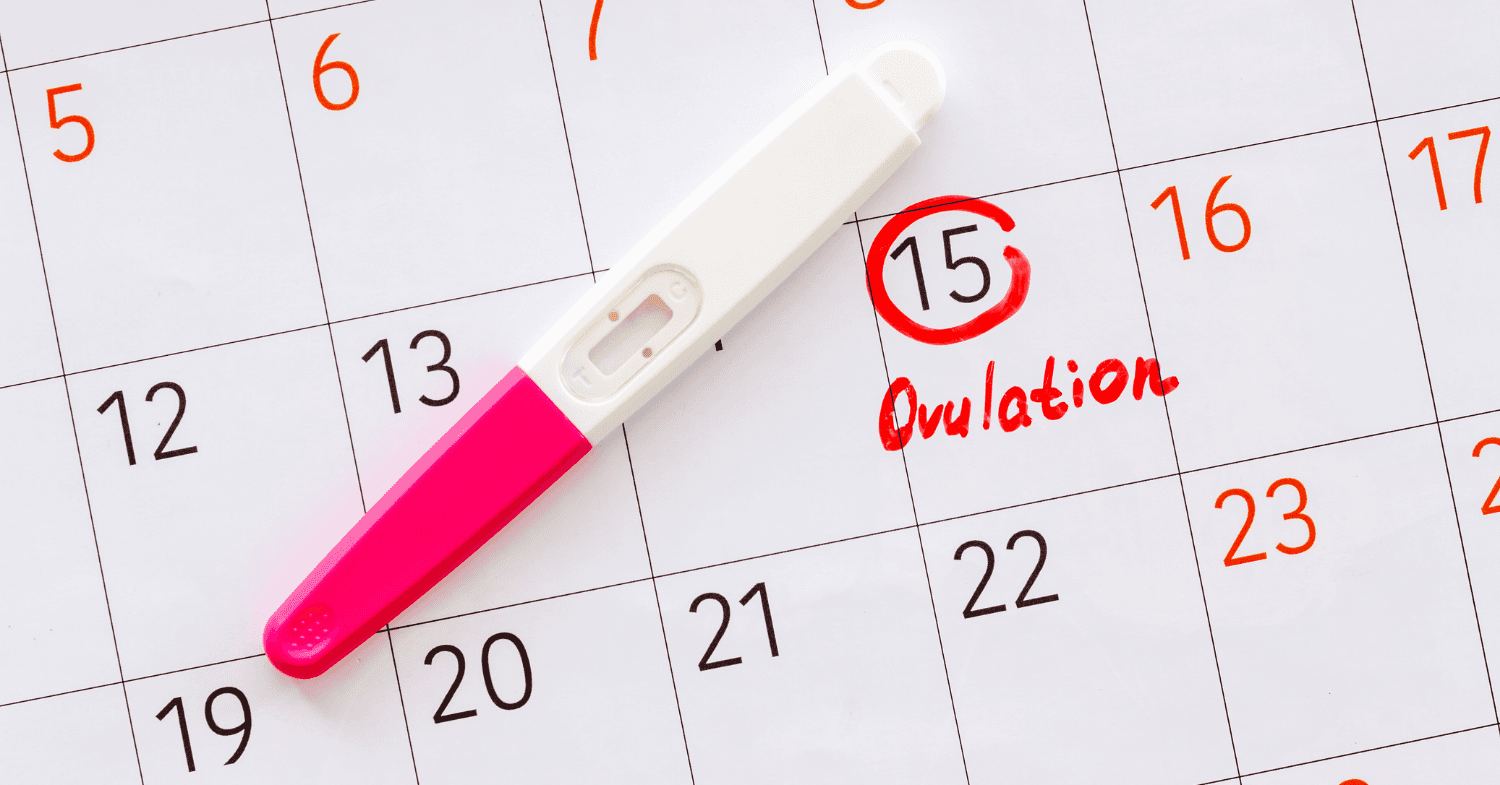
Ovulation tracking is the practice of identifying your fertile window — the five to six days each cycle when pregnancy is possible. The four most reliable methods are: the calendar method, ovulation predictor kits (OPKs), basal body temperature (BBT) tracking, and cervical mucus monitoring. Combining two methods improves accuracy for most women.
Want to know your fertile window? Learn how to track ovulation using the calendar method, OPKs, BBT, and cervical mucus — with practical examples.
What Is Ovulation?
Ovulation is the moment your ovary releases an egg and it opens a fertile window of roughly five to six days each cycle when pregnancy is possible. Knowing when that window falls gives you meaningful control, whether you are trying to conceive or simply want a deeper understanding of your hormonal health.
Even if pregnancy is not your goal right now, tracking ovulation can help you manage PMS, explain energy and mood shifts across the month, and detect early signs of conditions such as PCOS or thyroid dysfunction.
What Are the Signs of Ovulation?
Not every woman notices ovulation, but common physical signs include:
Changes in Cervical Mucus
The clearest and most reliable natural sign. Around ovulation, cervical fluid becomes clear, slippery, and stretchy — often described as resembling raw egg whites. Before and after ovulation it is thicker, sticky, or almost absent.
Mild One-Sided Pelvic Pain
Some women feel a brief, sharp twinge on one side of the lower abdomen around ovulation. This is called Mittelschmerz, German for "middle pain," and it is entirely normal.
A Slight Rise in Basal Body Temperature
Your resting body temperature increases by a small amount — roughly 0.2 to 0.5°C — immediately after ovulation due to rising progesterone.
Increased Energy and Libido
Many women notice a natural boost in mood, sociability, and sex drive in the days leading up to ovulation. This is a hormonal effect, not coincidence.
Light Spotting
A small number of women notice a few drops of blood on ovulation day. This is normal and distinct from period bleeding.
4 Ways to Track Your Fertile Window

1. How Does the Calendar Method Work?
Best for: women with regular cycles.
How it works:
Count the total length of your cycle. Start from day one of your period and count to the day before your next period begins. Example: period starts 1 May, next period starts 29 May — cycle length is 28 days.
Subtract 14 from your cycle length to find your likely ovulation day. Example: 28 − 14 = day 14.
Your fertile window runs from five days before ovulation to one day after. Example: days 9 to 15.
Limitation: the calendar method assumes a consistent cycle. If your cycle varies by more than a few days each month, combine it with one of the methods below.
2. How Do Ovulation Predictor Kits (OPKs) Work?
Best for: women who want high accuracy without clinic visits.
OPKs detect the surge in luteinising hormone (LH) that triggers ovulation 24 to 48 hours later. Some advanced kits also track oestrogen for an earlier warning.
How to use: begin testing three to five days before your expected ovulation day. A positive result means ovulation is likely within the next one to two days.
Important: OPKs are reliable but not 100% accurate, and are most suitable for women without underlying hormonal conditions. The clinical gold standard for confirming ovulation is folliculometry — ultrasound monitoring of follicle development, typically requiring three to four clinic visits.
3. How Accurate Is Basal Body Temperature (BBT) Tracking?
Best for: women who want to understand cycle trends over several months.
Take your temperature every morning before getting out of bed, at the same time each day, using a basal thermometer. A consistent rise of 0.2–0.5°C after ovulation confirms it has occurred.
Important limitation: BBT tells you ovulation has already happened, not that it is approaching. It is also significantly affected by disturbed sleep, illness, alcohol, travel, and medications. For this reason, international fertility guidelines do not recommend BBT as a standalone method for timing conception.
4. How to Use Cervical Mucus Monitoring
Best for: women who prefer a natural, low-cost approach.
Observe changes in your discharge throughout the cycle:
Dry or sticky — pre-ovulation, low fertility
Creamy or white — fertility increasing
Clear, stretchy, slippery — peak fertility, ovulation is near or occurring
Dry again — post-ovulation
The more closely you observe each day, the more accurate this method becomes over time.
Which Ovulation Tracking Method Is Most Accurate?
OPKs offer the highest accuracy for home use but involve ongoing cost. The calendar method is free and easy but less reliable for irregular cycles. Cervical mucus monitoring is free and informative but requires consistent daily attention. Combining two methods — for example, OPKs with cervical mucus observation — improves accuracy for most women. The clinical gold standard is folliculometry (ultrasound), but this requires clinic visits.
Signs Your Ovulation May Be Irregular
Speak with a doctor if you notice:
Cycles consistently shorter than 21 days or longer than 35 days
No cervical mucus changes across the cycle
No temperature rise when tracking BBT over multiple months
Very light periods or periods that have stopped
These patterns may indicate PCOS, thyroid dysfunction, or other conditions that respond well to early treatment.
How the Eshe App Makes Tracking Easier
The Eshe Cycle Calendar stores your cycle data in one place, predicts your fertile window based on your personal history, and sends reminders so tracking becomes a consistent daily habit rather than a guessing game.

Your Health Journey
Understand your body better with Eshe.
More Posts
You Might Also Like




© 2026 FEM HEALTH LIFE LTD. All rights reserved.