What to Eat During Your Period
Cravings aren’t random. Here’s how to eat with your body during your period — to steady energy, ease cramps and replace what you lose.
Does Diet Affect Period Symptoms?
Yes — what you eat during your period directly affects cramping, bloating, fatigue, and mood. Anti-inflammatory foods reduce prostaglandin activity, which is the primary driver of menstrual cramps. Iron-rich foods compensate for blood loss. Certain foods — notably alcohol, excess salt, and high-sugar foods — reliably worsen symptoms.
Key Things to Know About Eating During Your Period
- Prostaglandins drive menstrual cramps; anti-inflammatory foods reduce their effect
- Iron loss during menstruation averages 12–15 mg per cycle — iron-rich foods help maintain energy levels
- Magnesium deficiency is associated with more severe PMS and cramping
- Alcohol and high-salt foods worsen bloating and increase prostaglandin production
- Dark chocolate (70%+) is a legitimate source of magnesium — not just a craving
What to Eat On Your Period
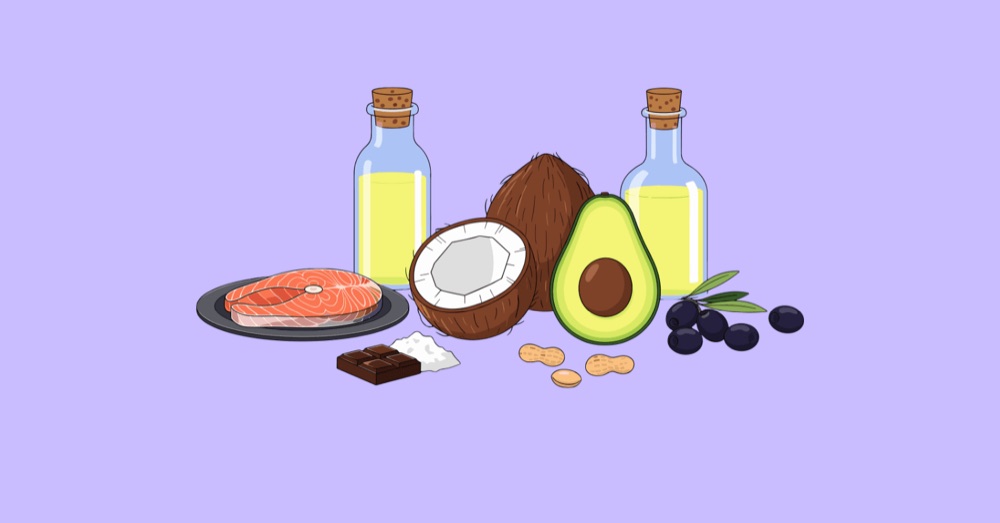
Iron-rich foods Blood loss depletes iron, contributing to fatigue. Prioritise: red meat, chicken liver, lentils, spinach, pumpkin seeds. Pair plant-based iron sources with vitamin C (tomatoes, citrus) to improve absorption.
Magnesium-rich foods Magnesium relaxes uterine muscle contractions and reduces cramping. Sources: dark leafy greens, almonds, cashews, dark chocolate (70%+), black beans, avocado.
Omega-3 fatty acids Omega-3s are anti-inflammatory and have been shown in clinical studies to reduce menstrual pain — in some cases comparably to ibuprofen. Sources: oily fish (salmon, sardines, mackerel), walnuts, flaxseeds.
Complex carbohydrates Stabilise blood sugar and reduce mood swings and sugar cravings. Sources: oats, brown rice, sweet potato, wholegrain bread.
Water-rich foods Hydration reduces bloating. Cucumber, watermelon, celery, and herbal teas (ginger, peppermint, chamomile) all contribute.
What to Limit
- Salt — increases water retention and worsens bloating
- Alcohol — raises oestrogen levels, increases prostaglandin production, and worsens cramps and mood
- High-sugar foods — spike insulin, worsen inflammation, and intensify mood swings
- Caffeine — constricts blood vessels and can intensify cramping; limit to one to two cups per day if sensitive
- Processed and fried foods — high in omega-6 fatty acids, which promote inflammation
Does Food Actually Help With Cramps?
For mild to moderate cramps, yes. A 2021 study published in the Journal of Obstetrics and Gynaecology found that women following an anti-inflammatory diet reported significantly lower pain scores during menstruation compared to controls. Omega-3 supplementation specifically showed a measurable reduction in prostaglandin levels.
Food is not a replacement for medical treatment where pain is severe. If cramps regularly prevent normal activity, speak with a doctor.
Sources
Frequently asked questions
The Eshe editorial team writes clear, science-backed health content, reviewed by our medical board before it reaches you.