Why Does My Lower Abdomen Hurt?
Cramps, ovulation pain, or something that needs attention? A guide to reading lower-abdominal pain across your cycle.
Common Causes and When to See a Doctor
What Causes Lower Abdominal Pain in Women?
Lower abdominal pain in women most commonly results from menstrual cramps, ovulation, digestive issues, or urinary tract infections — all of which are manageable with the right approach. Less commonly, it signals conditions such as ovarian cysts, endometriosis, or fibroids that need medical evaluation. In rare cases, sudden severe pain in the lower right abdomen may indicate appendicitis, which requires emergency care.
Key Things to Know About Lower Abdominal Pain
- Most lower abdominal pain in women is cycle-related and resolves on its own
- Location, timing, and associated symptoms help identify the cause
- Pain that is sudden, severe, or accompanied by fever always warrants same-day medical attention
- Cycle-related pain that prevents normal daily activity is not something to accept without investigation
- Tracking when pain occurs in relation to your cycle helps your doctor reach a diagnosis faster
Common Causes of Lower Abdominal Pain
Menstrual Cramps (Dysmenorrhea)
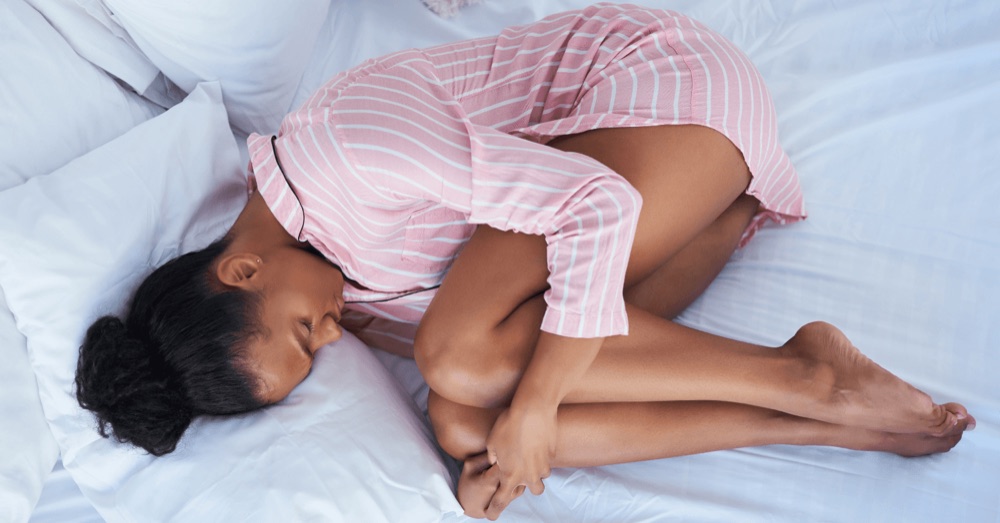
What it feels like: A dull, throbbing ache in the lower abdomen or back, occurring at the start of your period.
Why it happens: The uterus contracts to shed its lining, driven by prostaglandins. Higher prostaglandin levels produce stronger cramping.
Relief: Heat pad, ibuprofen taken at the first sign of pain, light movement. If cramps regularly prevent normal activity, speak with a doctor — this is not a baseline to accept.
Ovulation Pain (Mittelschmerz)
What it feels like: A sharp or twinging sensation on one side of the lower abdomen, mid-cycle.
Why it happens: The ovary releases an egg. The sensation is normal and typically brief — lasting minutes to a few hours.
Relief: Rest, warm compress, light activity. No treatment is usually needed.
Gas and Bloating
What it feels like: Crampy, gurgling discomfort that moves around the abdomen rather than staying in one place.
Why it happens: Dietary triggers (beans, dairy, fizzy drinks), swallowed air, or irritable bowel syndrome (IBS).
Relief: Peppermint or ginger tea, a gentle clockwise abdominal massage, identifying and reducing trigger foods.
Urinary Tract Infection (UTI)
What it feels like: Burning or stinging when urinating, combined with pressure or aching above the pubic bone.
Why it happens: Bacteria enter the bladder. Frequently delaying urination increases risk.
Relief: See a doctor promptly — UTIs typically require antibiotics and do not resolve on their own. Drinking plenty of water while waiting for treatment helps.
Constipation
What it feels like: A heavy, full ache in the lower abdomen, particularly after several days without a bowel movement.
Why it happens: Low fibre intake, dehydration, or stress.
Relief: Increase water and fibre intake (prunes, leafy vegetables, wholegrains). Using a footstool to raise your feet while on the toilet can help.
Ovarian Cysts
What it feels like: Sudden sharp pain on one side, sometimes intermittent. If a cyst ruptures, the pain is typically sudden and intense.
Why it happens: A fluid-filled sac forms on the ovary. Most small cysts resolve without treatment. Larger cysts or those that rupture require medical assessment.
When to seek care: Sudden severe one-sided pain, pain with fever, or pain accompanied by vomiting — go to a doctor the same day.
Endometriosis or Fibroids
What it feels like: Deep, period-like pain that occurs outside of your period, or period pain that is significantly worse than usual.
Why it happens: In endometriosis, tissue similar to the uterine lining grows outside the uterus. Fibroids are non-cancerous growths in or around the uterus. Both can cause chronic pain and heavy bleeding.
Relief: See a gynaecologist. Hormonal treatment and, in some cases, surgery are the main options. Early diagnosis significantly improves outcomes.
Appendicitis — Seek Emergency Care
What it feels like: Pain that begins near the belly button and shifts to the lower right abdomen, worsening over hours. Often accompanied by fever, nausea, vomiting, and difficulty standing upright.
Action required: Go to an emergency department immediately. A ruptured appendix is life-threatening. Do not eat, drink, or take pain relief while waiting, as this can complicate diagnosis.
Muscle Strain
What it feels like: Localised aching or soreness that worsens with specific movements.
Why it happens: Overexertion, sudden movement, or prolonged poor posture.
Relief: Rest, gentle stretching, heat. If pain persists beyond a few days, see a physiotherapist.
When to Seek Medical Attention the Same Day
Go to a doctor or emergency department if you experience:
- Sudden, severe abdominal pain — especially on one side
- Pain accompanied by fever, vomiting, or inability to stand straight
- Heavy bleeding alongside significant pain
- Pain after a missed period (to rule out ectopic pregnancy)
- Any pain that is worsening rather than improving over 24 hours
Gentle At-Home Relief for Mild Pain
For cycle-related or digestive pain that is mild and familiar:
- Heat pad applied for 20 minutes on, 20 minutes off
- Peppermint or ginger tea to ease cramping and bloating
- Gentle movement or yoga poses such as Child's Pose for gas and bloating
- Adequate hydration and fibre-rich foods
- Over-the-counter pain relief (ibuprofen or paracetamol) taken as directed
Track Pain Alongside Your Cycle
Because many causes of lower abdominal pain are cycle-related, knowing where you are in your cycle when pain occurs is useful clinical information. The Eshe Symptom Tracker lets you log pain intensity, location, and timing daily — giving you and your doctor a pattern rather than an isolated episode to work from.
Sources
Frequently asked questions
OB-GYN and member of the Eshe Medical Board, focused on reproductive health and making clinical science readable for everyone.