What Are the Signs of a Hormonal Imbalance?
Irregular periods, sudden acne, hair changes and low energy often trace back to one cause. Here is how to recognise a hormonal imbalance.
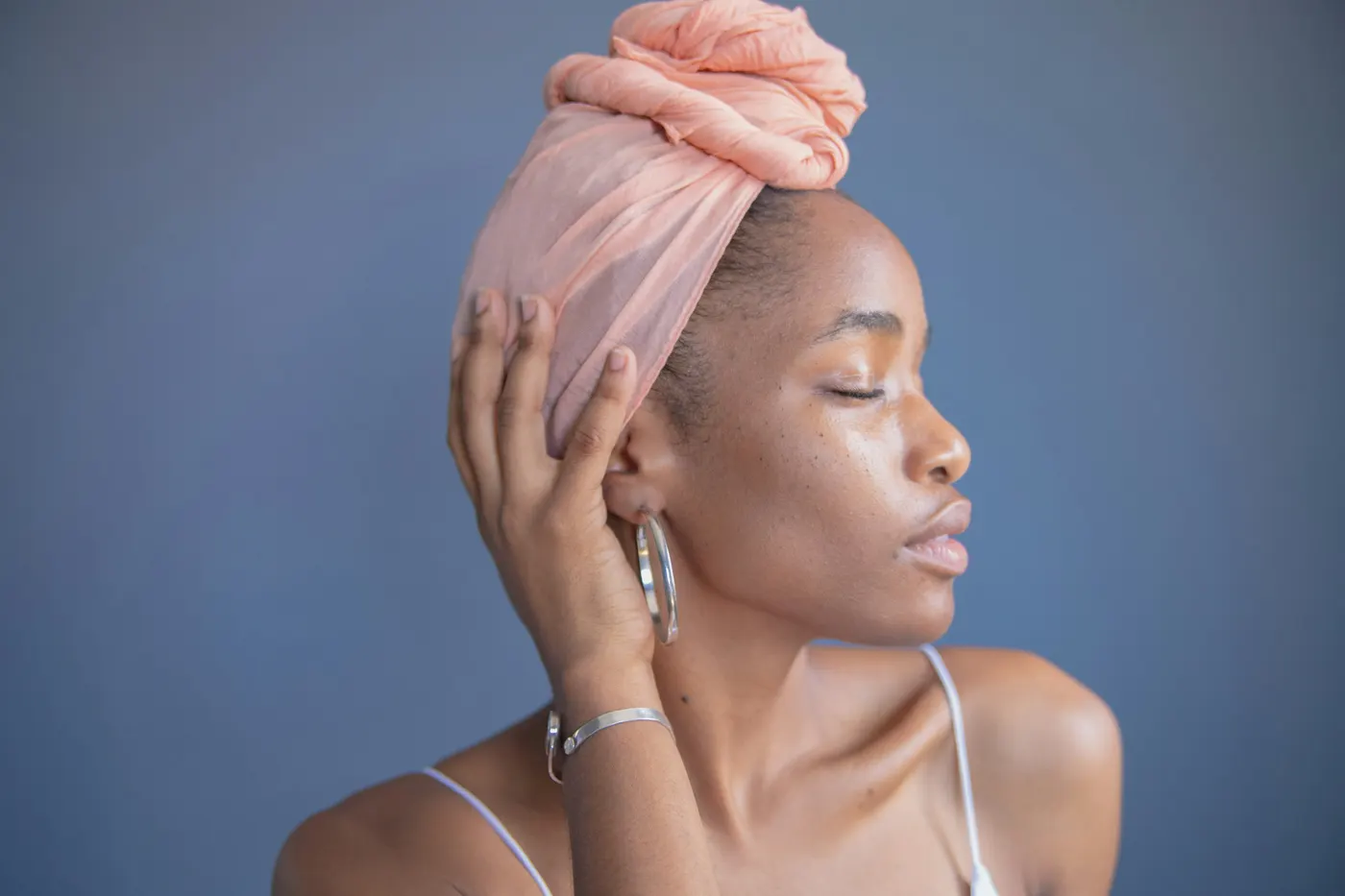
Your skin, cycle and mood often shift together before you notice a pattern.
What Are the Signs of a Hormonal Imbalance?
Key Things to Know About Hormonal Imbalance
- Hormonal imbalance means your hormone levels are too high, too low, or out of proportion to each other, not simply "off"
- Symptoms usually cluster together across your cycle, skin, weight, mood and energy, rather than appearing in isolation
- PCOS, thyroid disorders and perimenopause are the most common underlying causes in women of reproductive age
- Chronic stress and rapid weight change can disrupt hormone levels even without an underlying condition
- Tracking symptoms across two to three cycles gives a doctor a far clearer picture than a single description
What Counts as a Hormonal Imbalance
Hormones such as oestrogen, progesterone, testosterone, thyroid hormones, insulin and cortisol work as a system, each one influencing the others. A hormonal imbalance happens when one or more of these levels moves outside its usual range, or when the normal rise and fall across your cycle stops following its expected pattern.
Because these hormones are interconnected, a change in one often produces effects in several parts of the body at once. That is why hormonal imbalance tends to show up as a group of symptoms rather than a single complaint.
Changes in Your Cycle
Periods that become irregular, unusually heavy or light, or stop altogether are often the first sign women notice. A luteal phase that runs shorter than ten days, or spotting before your period starts, can point to a progesterone imbalance. Cycles longer than 35 days or fewer than eight periods a year are commonly linked to PCOS or thyroid dysfunction.
Skin and Hair Changes
Acne along the jawline and chin, especially when it appears in adulthood rather than adolescence, is frequently linked to elevated androgens such as testosterone. The same hormonal pattern can cause excess hair growth on the face, chest or back, known as hirsutism, or thinning hair on the scalp.
Weight and Metabolism
Gaining weight without a change in diet or activity, or struggling to lose it despite consistent effort, often has a hormonal component. Insulin resistance, common in PCOS, makes it harder for the body to regulate blood sugar and can drive weight gain around the abdomen specifically. An underactive thyroid slows metabolism more broadly and can produce similar effects.
Mood, Sleep and Energy
Oestrogen and progesterone both influence neurotransmitters linked to mood, which is why their fluctuation across the cycle can bring irritability, anxiety or low mood, particularly in the days before a period. Persistent fatigue that does not improve with rest, along with disrupted sleep, is also common with thyroid imbalances and with the cortisol changes that come from chronic stress.
Other Physical Signs
Hot flushes and night sweats, most often associated with perimenopause, result from shifting oestrogen levels. Breast tenderness, headaches that cluster around the same point in your cycle, low libido and vaginal dryness are also frequently hormone-related, though each can have other causes as well.
Common Causes
- Polycystic ovary syndrome (PCOS), which affects androgen and insulin levels
- Thyroid disorders, both underactive and overactive
- Perimenopause, as oestrogen and progesterone production becomes less predictable
- Chronic stress, which raises cortisol and can suppress reproductive hormones
- Rapid weight loss or gain, which affects oestrogen production
- Certain medications, including starting or stopping hormonal contraception
When to See a Doctor
Speak with a healthcare provider if you are:
- Experiencing irregular, absent or unusually heavy periods for three cycles or more
- Noticing new acne, hair growth or hair loss alongside cycle changes
- Struggling with fatigue, mood changes or weight shifts that do not have an obvious explanation
- Trying to conceive and concerned that irregular cycles may be affecting ovulation
Talia, Eshe's assistant for PCOS and hormonal health, can help you make sense of a symptom pattern as it builds, and the Symptom Tracker keeps a record of cycle length, skin changes, mood and energy in one place, giving you and your doctor a clearer starting point.
Sources
- 1NHS. Polycystic ovary syndrome (PCOS). NHS Health A to Z.
- 2American College of Obstetricians and Gynecologists (ACOG). Polycystic Ovary Syndrome (PCOS). ACOG.
- 3American Thyroid Association. Thyroid Function Tests. ATA.